Winter Power Worries: Essential Electrical Prep to Avoid Outages in a Colorado Snowstorm
When the forecast calls for heavy snow and sub-zero temperatures across Colorado, most people focus on shovels, blankets, and canned goods. But as expert electricians, we know that winter storms put massive strain on your home’s electrical system, often leading to avoidable issues and inconvenient, dangerous outages.
The key to keeping your lights on and your heat running through a major snowstorm is preparation. Here are the essential electrical checks and maintenance steps you should take before the snow starts falling.
1. Inspect Your Outdoor Connections and Weatherproofing
Your exterior electrical components are the first line of defense against snow, ice, and wind. If they aren't properly sealed, moisture intrusion can cause short circuits and failures.
Service Mast and Cables: Visually check the service mast (the pipe running from your meter base up to the utility lines). Ensure the weatherproof connections are intact and that there are no frayed or exposed wires near where the cables connect to your home.
Outdoor Outlets (GFCIs): All exterior outlets should have heavy-duty, "in-use" or "bubble" covers that seal tightly even when a cord is plugged in. Water freezing inside an outlet can trip your breaker and, in extreme cases, damage the circuit. If your exterior GFCIs are old or visibly cracked, replace them now.
Clear the Path: Ensure the area around your utility meter, meter box, and main service panel is clear of debris, overgrown shrubs, and anything that could fall on them during an ice storm.
2. Verify Your Main Electrical Panel Integrity
The main electrical panel handles all the load demands of your home, and winter is when those demands peak (space heaters, furnaces running constantly, higher-wattage lighting).
Check for Overheating Signs: Place your hand near the panel (do not touch anything inside). If you feel excessive warmth or smell a faint burnt odor, you may have loose connections or a circuit that is overloading. Call a professional immediately.
Breaker Testing (Carefully!): Test your Ground Fault Circuit Interrupter (GFCI) and Arc Fault Circuit Interrupter (AFCI) breakers by pressing the test button. They should trip instantly. Resetting them verifies they are working, which is vital for safety when winter moisture is a risk.
3. Protect Against Surges and Voltage Spikes
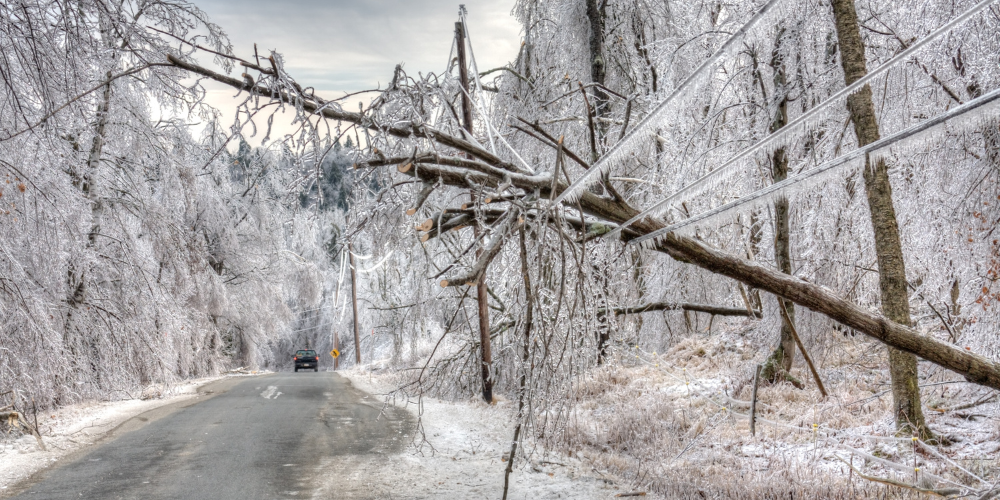
Heavy snow and ice can cause tree limbs to fall onto power lines, leading to momentary power surges (voltage spikes) when the utility system attempts to self-correct. These spikes can fry sensitive electronics, furnaces, and appliances.
Whole-House Surge Protection: A whole-house surge protector is installed directly at your electrical panel. It offers a comprehensive shield for everything plugged into your home's wiring. This is the best defense against grid-related power surges.
Point-of-Use Protection: Supplement the whole-house system with high-quality surge protectors (not just basic power strips) for crucial electronics like computers, TVs, and networking equipment.
4. Prepare for an Outage: Generator Safety
If you rely on a portable or whole home generator, your preparations must be electrical and safety-focused.
Whole Home Generators: Ensure the automatic transfer switch is operating correctly and the unit has been recently serviced.
Portable Generators: NEVER run a portable generator inside your home or garage. Carbon monoxide is an invisible killer. Ensure you have an appropriate, professionally installed manual transfer switch and exterior inlet box. This is the only safe way to back-feed power into your home's circuits.
Fuel and Test: Test your generator under load before the storm hits and ensure you have plenty of fuel stored safely.
5. Conserve Power During Peak Storm Hours
Even without an outage, conservation helps reduce the load on the grid, minimizing the risk of a regional blackout.
Insulate Your Outlets: Use those inexpensive foam gaskets behind exterior outlet and switch plates (as we discussed in our last blog post!). This seals hidden drafts and conserves heat, reducing the load on your furnace.
Stagger Appliance Use: Avoid running the oven, dishwasher, washing machine, and electric dryer at the same time, especially during severe weather.
Don't Wait for the Snow to Fall—Contact Us Today
Proactive electrical maintenance is the difference between a cozy winter and a stressful emergency. The team at American Electrician is ready to inspect your panel, install surge protection, or safely integrate a whole home generator system for your home.
Don't gamble with your winter comfort and safety. Let us ensure your electrical system is fortified against the worst Colorado weather.
Contact American Electrician now to schedule your pre-winter electrical inspection.